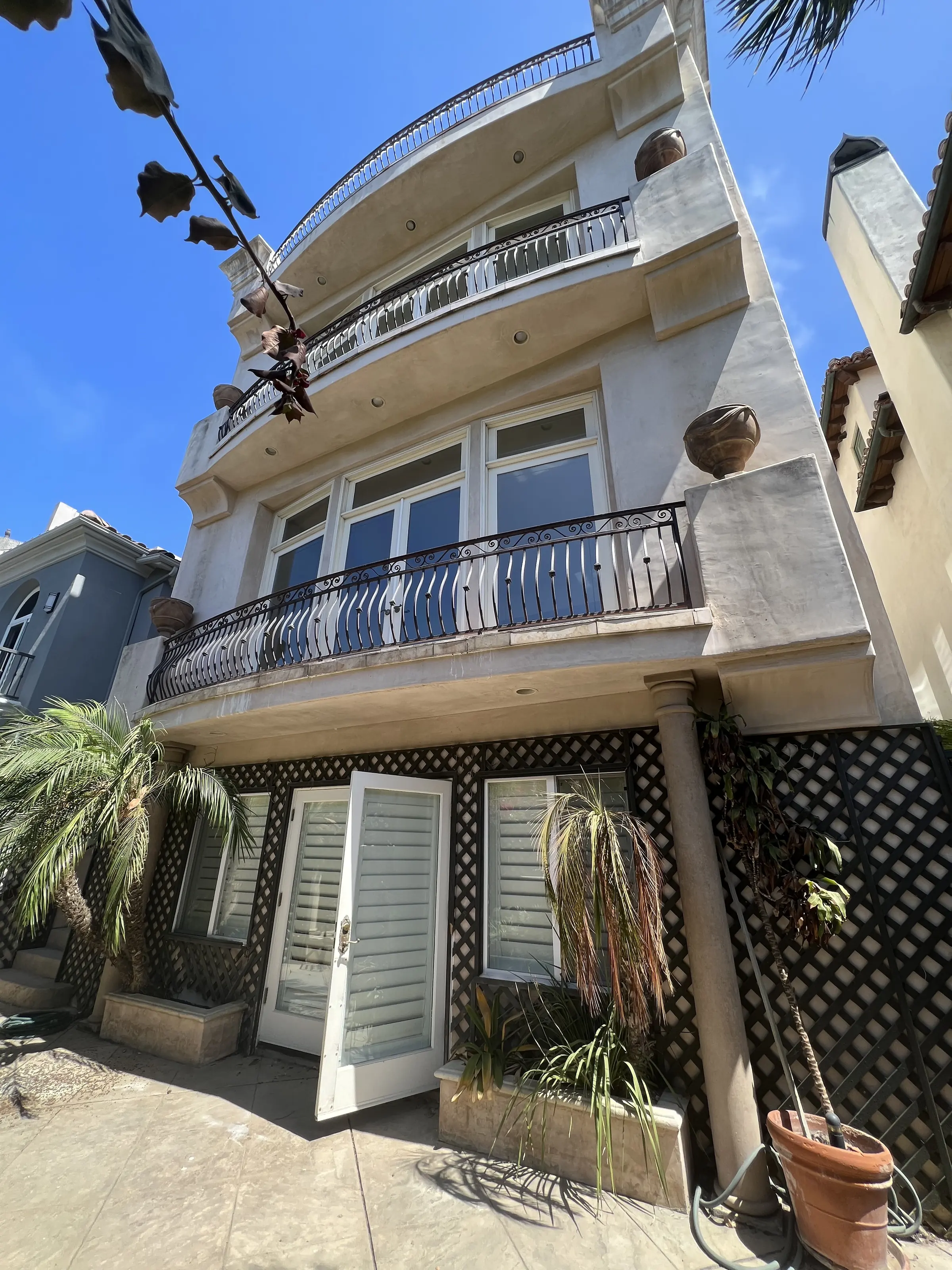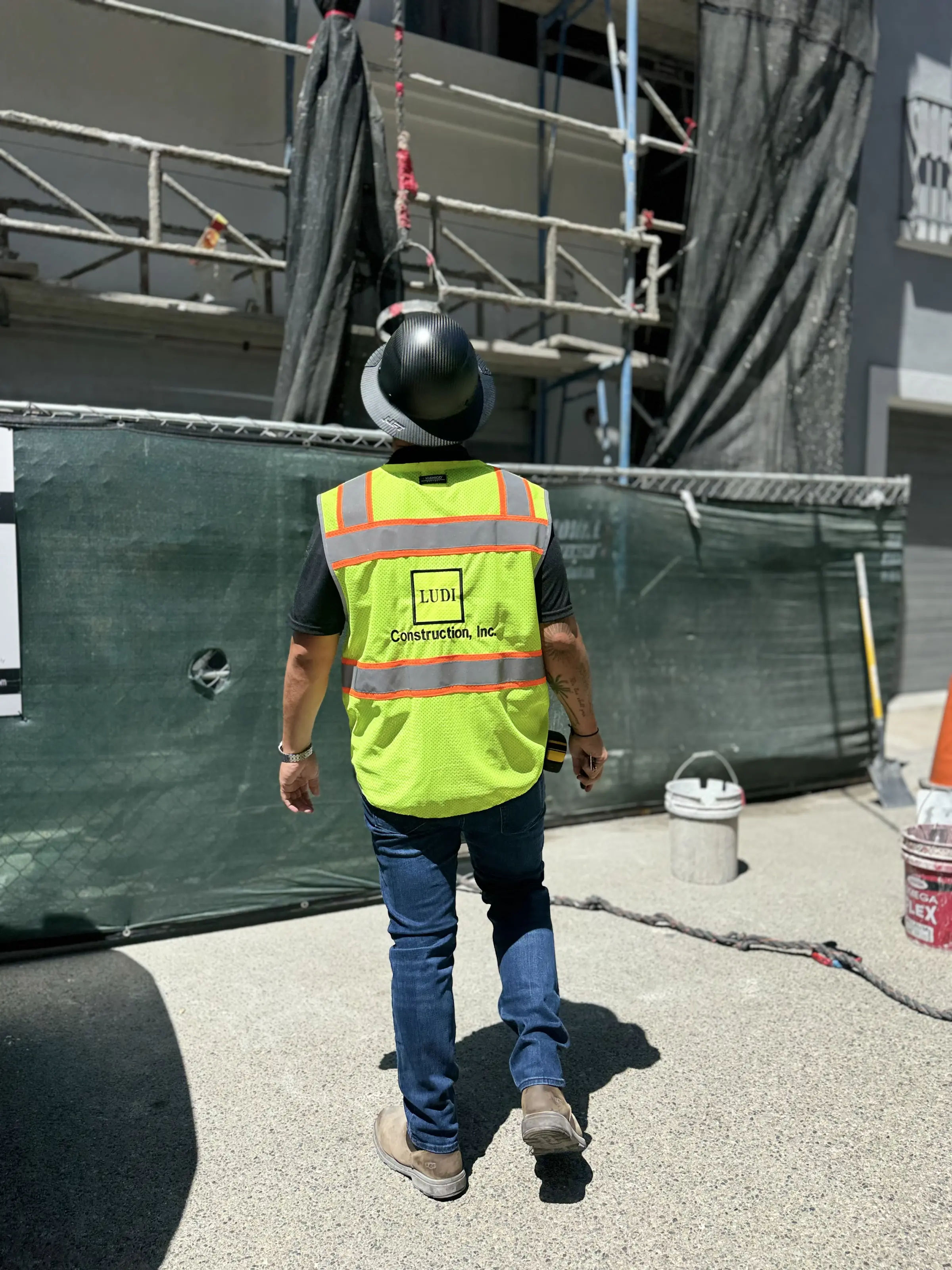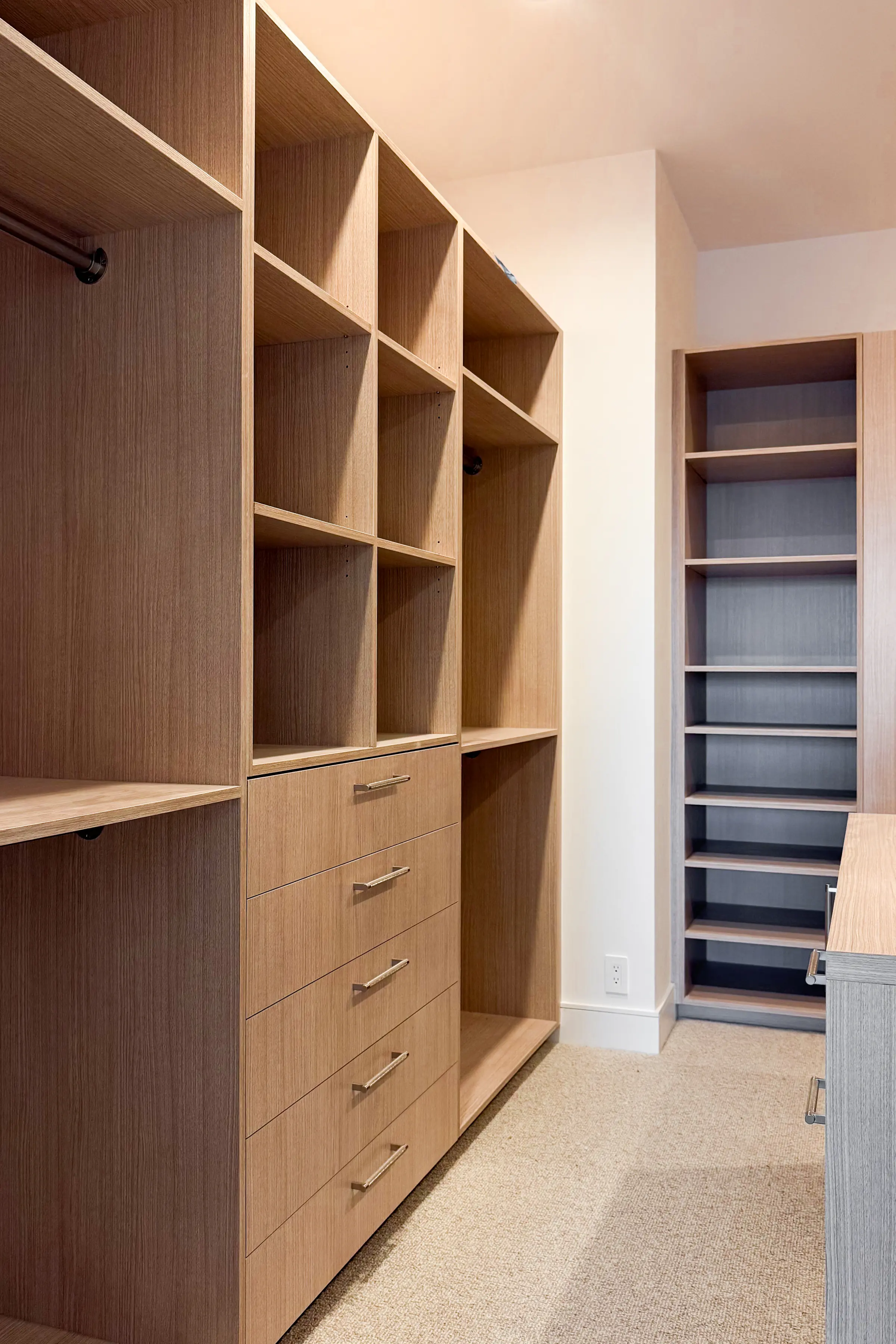
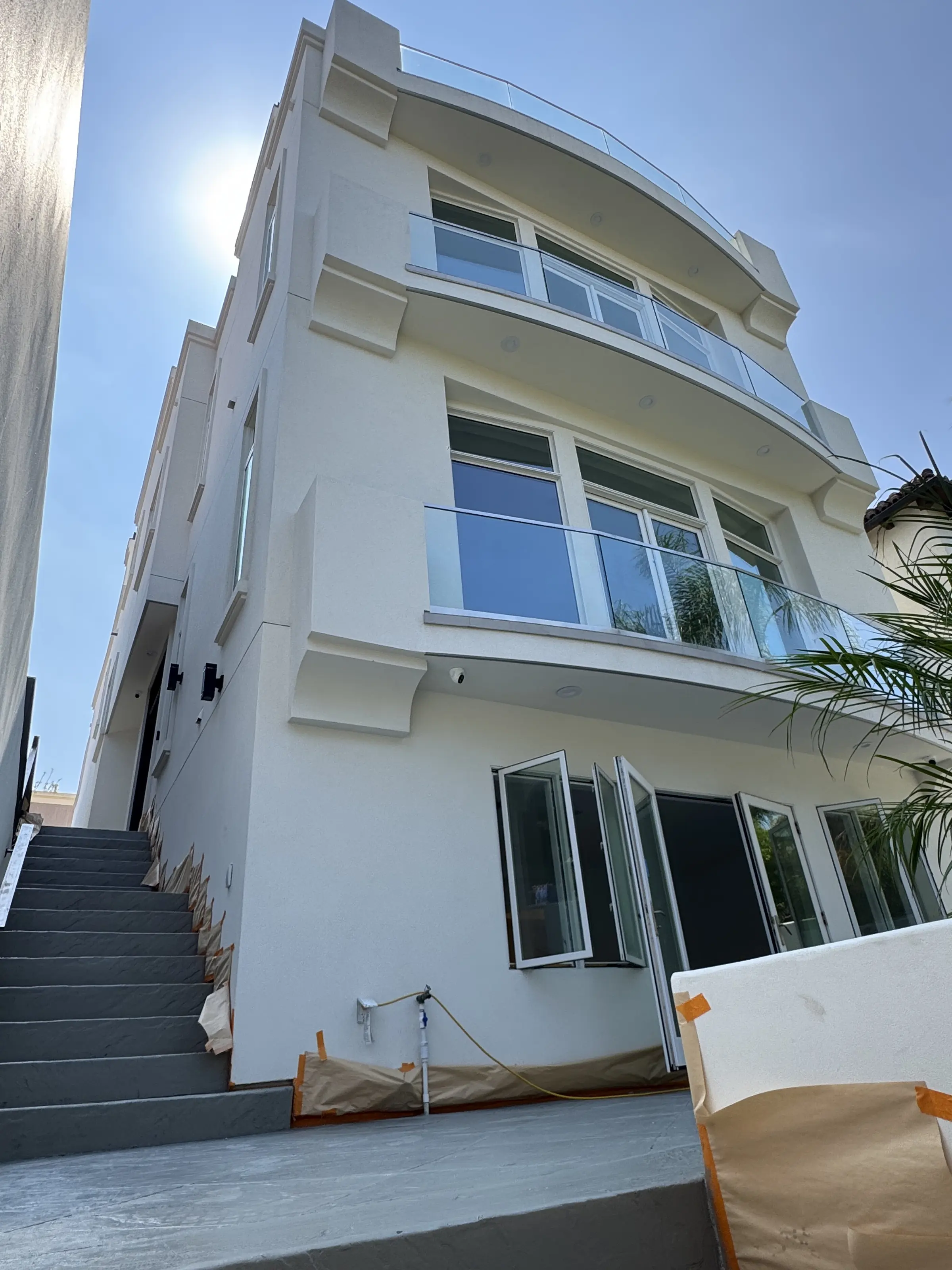
A home near the ocean in Los Angeles comes with light, views and a breeze that few places can match. It also lives in one of the toughest environments a building can face. Salt air, fog, wind-driven rain and constant moisture work on every exterior surface, and the effects compound over time.
Our renovation in Marina del Rey began with exactly that story: water had found its way in, and the work started with remediation, structural reinforcement and waterproofing before any new finish went on. That experience shapes how we approach every coastal project.
What salt air does to a house
- Metal corrodes. Nails, screws, structural connectors, railings, hinges and light fixtures that would last decades inland can rust quickly near the coast.
- Moisture finds the weak points. Windows, doors, balcony and deck connections, roof edges and penetrations are where water gets in.
- Finishes wear faster. Paint, sealants and some stone and wood finishes break down sooner under salt and ultraviolet light.
Build the envelope first
The envelope is everything that separates the inside of a home from the weather: the roof, walls, windows, doors and the layers behind the finish. On a coastal home it deserves the most attention and the best materials.
- Flashing and waterproofing at every opening. Windows and doors should be flashed in the correct sequence so water is directed out, never behind the siding or plaster.
- Balconies and decks detailed to drain. Slope, membranes and the connection to the house are where many coastal water problems begin.
- A drainage plane behind exterior finishes. Plaster and siding are not waterproof on their own. What sits behind them decides how the wall performs.
Choose materials for the exposure
- Fasteners and connectors in stainless steel or hot-dip galvanized finishes suited to marine exposure.
- Windows and doors with frames, hardware and ratings appropriate for coastal wind and water.
- Railings and exterior metalwork in marine-grade stainless steel, powder-coated aluminum or glass systems designed for the coast.
- Exterior finishes with coatings and sealants intended for coastal use, plus a realistic maintenance schedule.
Coastal permits add a step
Much of the Los Angeles shoreline sits within the California Coastal Zone. Depending on the property and the scope, a project may need a Coastal Development Permit or an exemption in addition to the building permit. Who reviews it depends on the location: unincorporated areas such as Marina del Rey are handled by Los Angeles County, while cities such as Santa Monica and the City of Los Angeles run their own processes, with the California Coastal Commission involved in some cases.
The practical advice is simple: confirm the coastal review path for your address before design is finished, so the schedule reflects it from day one.
Remodeling an existing coastal home
When we open walls on an older coastal home, we expect to find something. Common discoveries include corroded fasteners, deteriorated sheathing behind windows, and decks or balconies that were never properly flashed. A good remodel plan builds in time and budget to investigate and repair before new finishes conceal the structure again.
A home that keeps its looks
The reward for doing this work properly is a coastal home that still looks crisp years later: clean plaster lines, glass that stays clear, hardware that does not stain, and interiors free of the musty signs of hidden moisture.
Planning a remodel or new home near the coast? Tell us where the property is and what you would like to change, and we will help you understand the path ahead.