Hiring a contractor is one of the biggest decisions in a home project. In Los Angeles, the right choice protects your home, your budget and your schedule; the wrong one can cost far more than money. This checklist covers what to verify before you sign anything, whichever builder you choose.
1. Verify the license
Every contractor in California working on jobs of $1,000 or more in labor and materials, or on any work that needs a permit, must hold a license from the Contractors State License Board (CSLB). Look it up yourself at cslb.ca.gov rather than relying on a photo of a license card.
Check that:
- The license is active, not expired, suspended or inactive.
- The business name matches the name on your contract and proposal exactly.
- The classification fits the work. A general building contractor (class B) builds and remodels homes; specialty trades such as electrical, plumbing, roofing or painting have their own classifications.
- There are no unresolved complaints or disciplinary actions you should ask about.
2. Ask about insurance and workers’ compensation
- Commercial general liability insurance protects your property if something goes wrong. Ask for a certificate of insurance sent directly from the insurer or broker.
- Workers’ compensation covers people injured on your project. The CSLB record shows whether a contractor has a policy on file or is exempt because it reports having no employees. If the crew on your site will include employees, workers’ compensation matters.
3. Get a detailed written contract
California requires home improvement contracts to be in writing and to include specific information and notices. A good contract also spells out:
- The full scope of work, drawings and specifications it is based on
- The price, and what is excluded or carried as an allowance
- The payment schedule tied to completed work
- Start and completion dates, and how changes are approved in writing
- Who obtains permits and schedules inspections
- Warranty terms and how disputes are handled
4. Keep the deposit within the law
For home improvement contracts, the down payment can be no more than $1,000 or 10% of the contract price, whichever is less. Progress payments should never get ahead of the work actually completed. A request for a large deposit before work starts is a warning sign.
5. Check references and past work
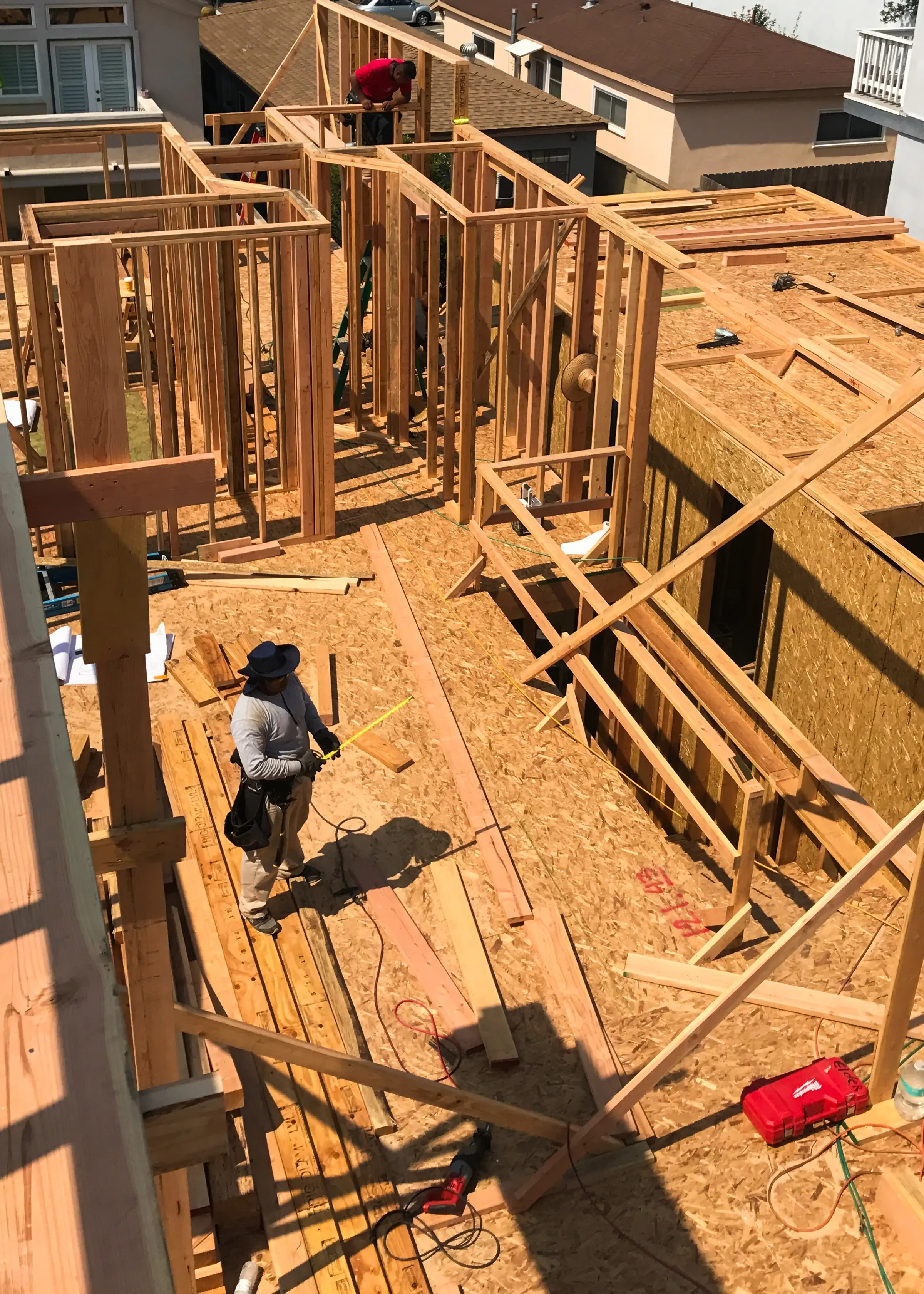
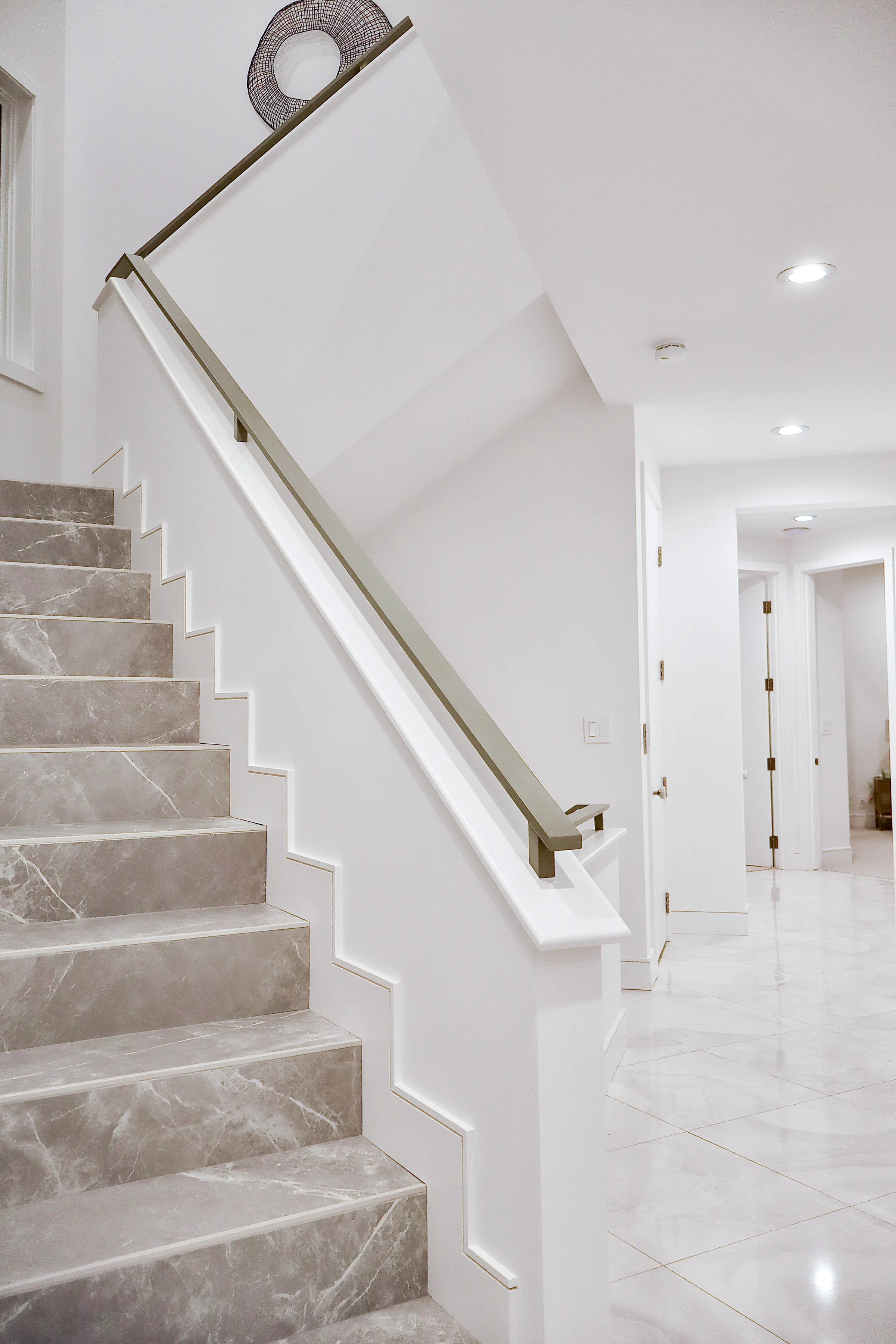
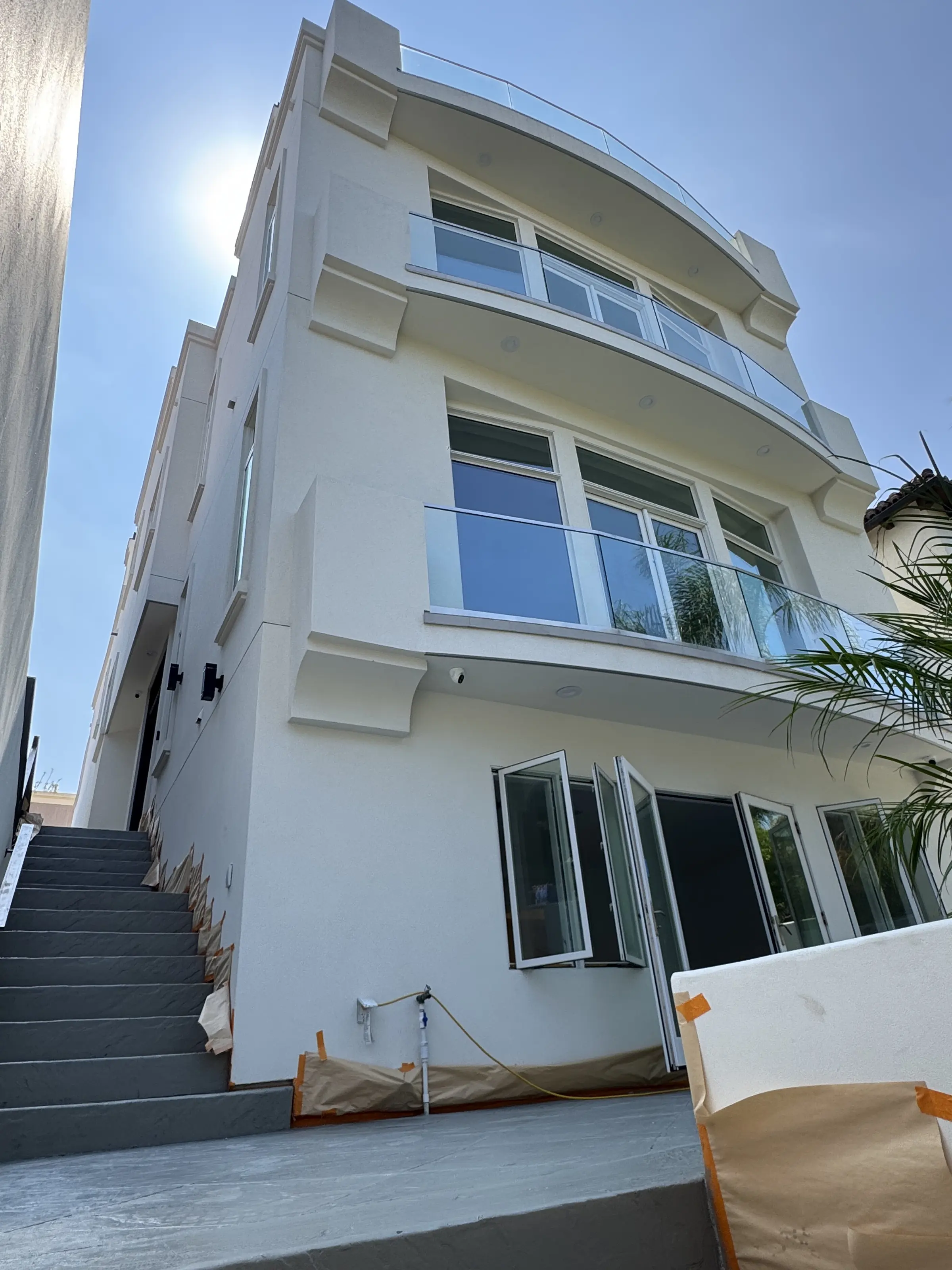
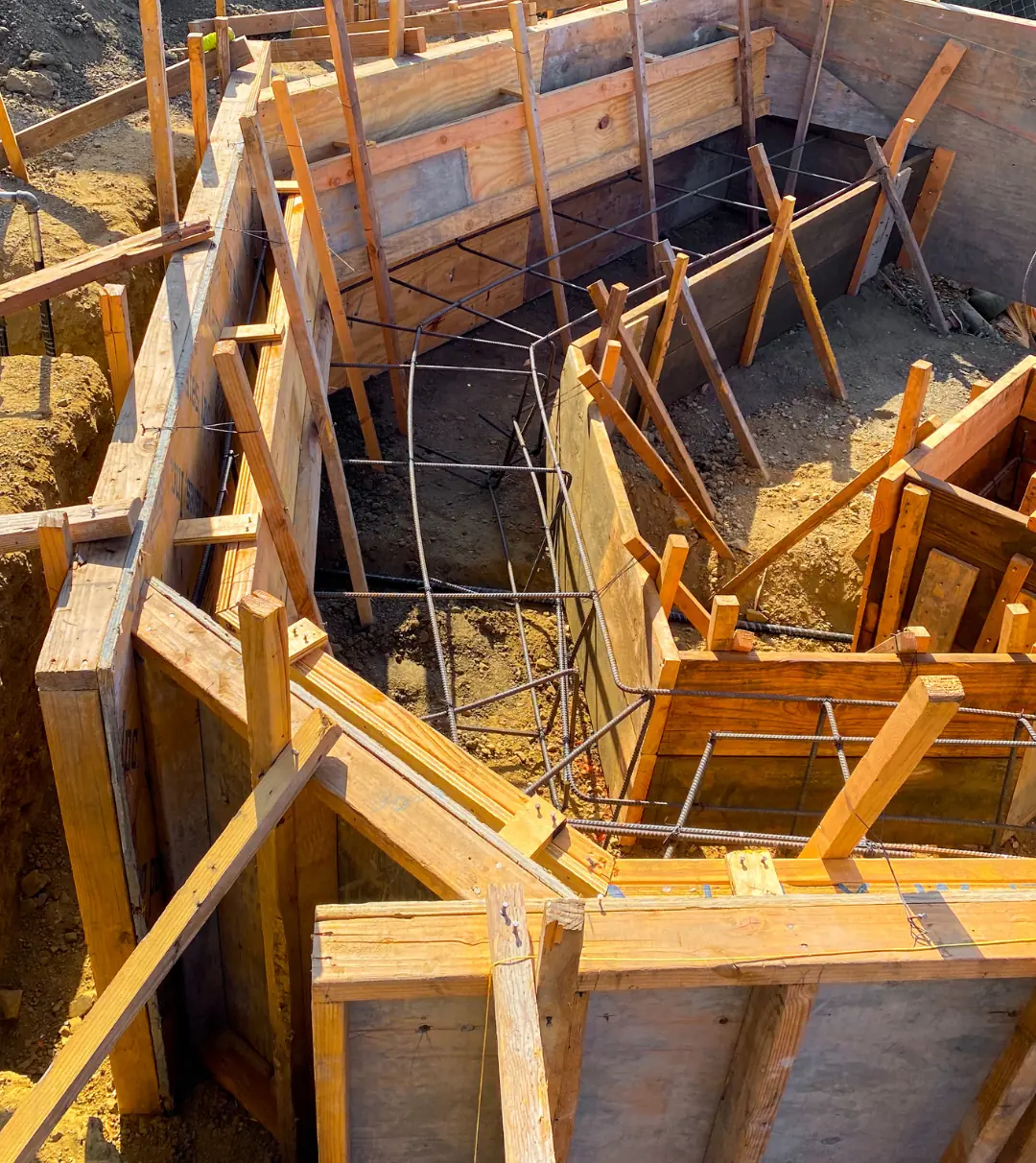
Ask for recent projects similar to yours, visit one if you can, and speak with past clients about communication, schedule and how problems were handled. Photos of finished work are useful; photos of the same projects during construction tell you even more.
6. Know the red flags
- No license number on the proposal, website or vehicle
- Pressure to sign immediately or pay in cash
- A deposit above the legal limit
- A suggestion that you pull an owner-builder permit for work they will do
- Vague scopes, no written change orders, or reluctance to put promises in writing
- Door-to-door solicitation after a disaster
After a declared disaster, such as the 2025 Los Angeles fires, contracting without a license is a felony in California, and CSLB runs a disaster hotline at (800) 962-1125.
7. Understand your right to cancel
If you sign a home improvement contract in your home after a contractor solicited you there, California law generally gives you a right to cancel within a few business days, with longer periods for seniors and for disaster repair contracts. The contract must explain how to cancel.
Protect yourself with lien releases
Subcontractors and suppliers on your project may have the right to record a mechanics lien if they are not paid. Ask for conditional and unconditional lien releases with each payment, and keep copies of every payment and release.
Ludi Construction, Inc. is a California licensed general contractor, CSLB #1092742. You can verify our license on the CSLB website and ask us any of the questions above.